
Accidents Involving Pedestrians: Causes and Legal Rights
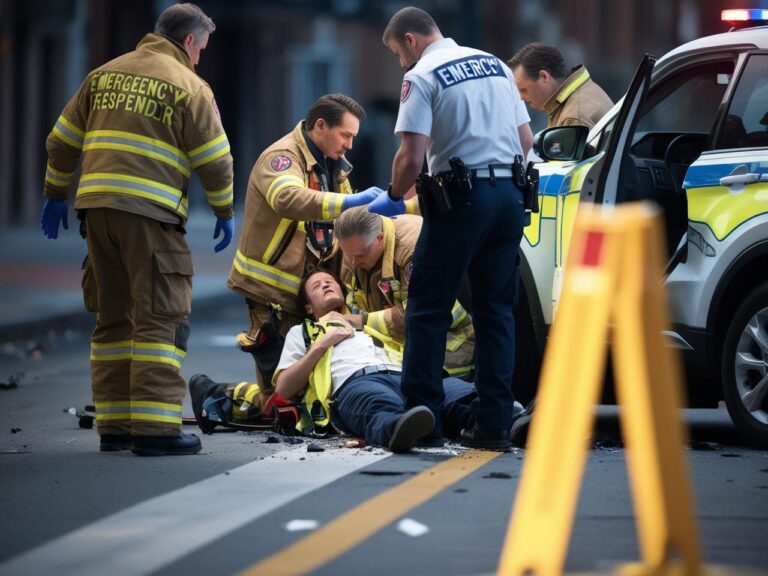
Walking in a busy city like Los Angeles is often enjoyable, but it carries risks. Pedestrian accidents happen far too often. A Los Angeles Times report found that drivers killed 1,133 people in pedestrian crashes between 2011 and 2020. The danger persists today; LAPD Traffic Division data recorded more than 170 pedestrian deaths in 2023.
If you or a loved one suffers injuries in a pedestrian accident, understanding the causes, the law, and your legal options is essential.
What Is a Pedestrian Accident?
A pedestrian accident occurs when a motor vehicle strikes someone who is walking, standing, or running on or near a roadway.
Under California Vehicle Code 467, a pedestrian includes anyone on foot or using a human-powered transportation device other than a bicycle. In some cases, a person using a motorized assistive mobility device also qualifies as a pedestrian if they use it because of a disability or another valid reason.
Common Causes of Pedestrian Accidents
Pedestrian accidents in Los Angeles happen for many reasons. In many cases, driver negligence plays a major role.
Distracted Driving
Distracted driving remains a leading cause of accidents. Drivers often lose focus when they text, make calls, eat, or use in-car devices. In a crowded city, even a brief distraction leads to a serious collision.
Speeding
Speeding also puts pedestrians at serious risk. Drivers who travel too fast have less time to react when someone enters a crosswalk. Furthermore, higher speeds increase the severity of injuries.
Impaired Driving
Alcohol and drug use also cause devastating crashes. Impaired drivers often react slowly, make poor decisions, and fail to notice pedestrians in time to avoid an impact.
Pedestrian Rights and Responsibilities
Pedestrians in Los Angeles have important legal rights and duties.
Pedestrian Rights
California law protects pedestrians and supports safe travel on foot. Drivers must yield the right-of-way to pedestrians in marked or unmarked crosswalks at intersections. Drivers must also yield to pedestrians near sidewalks and other foot-traffic areas.
Pedestrian Responsibilities
Pedestrians must also follow traffic rules. The California Department of Motor Vehicles advises pedestrians to obey traffic signals, use crosswalks at intersections, and avoid disrupting traffic. When no signal or sign controls the area, pedestrians may need to yield to vehicles depending on the situation.
Common Pedestrian Injuries
Pedestrian accidents can cause a wide range of injuries. Some people suffer minor bruises or cuts. Others face life-changing harm.
Common pedestrian accident injuries include:
- Broken bones
- Head injuries
- Brain injuries and concussions
- Spinal cord injuries
- Internal injuries
- Fatal injuries
Brain injuries are especially serious. A pedestrian may hit the ground or another hard surface after impact. That blow can cause a concussion or more severe brain trauma. Immediate medical care is critical because delayed treatment can increase the risk of bleeding, swelling, or permanent damage.
Understanding California Traffic and Pedestrian Laws
Contact Us
Free Consultation
By submitting this form, you agree to our terms and conditions, privacy policy, and give us permission to contact you by phone, text, or email.
California traffic laws play a major role in pedestrian accident claims. These laws help determine fault and explain when a driver or pedestrian failed to act safely.
For example, Vehicle Code 21955 prohibits pedestrians from crossing outside a crosswalk at intersections controlled by traffic lights or police officers. Vehicle Code 21954 states that pedestrians must yield to vehicles when crossing a street outside a crosswalk. California law also limits pedestrian use of bike lanes when a sidewalk or walking path is available.
California speed laws also help protect pedestrians. Under Vehicle Code 22352, the prima facie speed limit is generally 25 miles per hour in business districts, residential areas, and school zones unless a posted sign states otherwise. Lower speeds reduce the chance of severe injury in areas with heavy foot traffic.
How Weather Conditions Affect Pedestrian Accidents
Weather can also increase the risk of pedestrian accidents in Los Angeles.
Rain and Slippery Roads
Los Angeles does not get frequent rain, so sudden wet conditions can catch drivers off guard. Slippery roads reduce traction and can make it harder for drivers to stop in time.
Fog and Reduced Visibility
Fog creates another serious hazard. Poor visibility makes it harder for drivers to see pedestrians and harder for pedestrians to judge approaching traffic.
Safety During Poor Weather
Pedestrians should take extra care during rain or fog. Check both directions before crossing. Stay alert. Avoid rushing across the street. A few extra seconds of caution can prevent a serious accident.
Safety Tips for Pedestrians in Los Angeles
Pedestrians can lower their risk by following simple safety habits every day.
Stay Visible
Walk in well-lit areas at night. Avoid stepping into the street from behind parked cars, signs, or other obstacles. Make sure drivers can see you before you cross.
Use Crosswalks and Follow Signals
Always use designated crosswalks when available. Follow traffic lights and crossing signals carefully. These basic steps greatly reduce the chance of a collision.
Avoid Distractions
Put your phone away while walking near traffic. Stay alert to cars, bikes, and turning vehicles. Many accidents happen because someone looked away at the wrong moment.
Recovering Damages After a Pedestrian Accident
Even careful pedestrians can still get hurt in a crash. When that happens, understanding liability and compensation becomes very important.
Who May Be at Fault?
In many pedestrian accidents, the driver is at fault because drivers must use caution and yield when required by law. However, fault is not always one-sided. A pedestrian may share responsibility if they ignored traffic laws, crossed unsafely, or acted carelessly.
Comparative Negligence in California
California follows the pure comparative negligence rule. This means an injured person can still recover damages even if they share most of the blame. However, the compensation decreases by that person’s percentage of fault.
Types of Compensation
A pedestrian accident victim may recover two main types of damages:
Economic damages cover measurable financial losses, such as:
- Medical bills
- Future medical care
- Lost income
- Reduced earning capacity
Non-economic damages cover personal losses, such as:
- Pain and suffering
- Emotional distress
- Loss of quality of life
Insurance may also play a major role. A victim’s health insurance may help with treatment costs. If the victim lacks coverage, the driver’s liability insurance may cover medical bills and other losses. Still, insurance companies often try to deny claims or reduce payouts. Legal support can make that process easier to manage.
Why Immediate Medical Treatment Matters
After a pedestrian accident, some people feel fine and decide not to seek treatment. That can be a serious mistake.
Some injuries do not show symptoms right away. Internal injuries, concussions, and soft-tissue damage may take hours or even days to appear. Prompt medical care protects your health and creates a clear record of the injuries.
Medical records also matter during an insurance claim. If you delay treatment, the insurance company may argue that another event caused your injuries or that your condition is not serious.
Documenting Injuries After a Pedestrian Accident
Good documentation can strengthen your claim.
Useful evidence may include:
- Photos of your injuries
- Photos of the accident scene
- Medical records and bills
- Police reports
- Paramedic records
This documentation helps connect your injuries directly to the pedestrian accident and supports your request for compensation.
Legal Options for Pedestrian Accident Victims
If a pedestrian accident injures you or someone close to you, taking the right legal steps can make a major difference.
Filing an Insurance Claim
If the driver has insurance, the injured pedestrian will usually begin by filing a claim with that insurance company.
Filing a Personal Injury Lawsuit
If the insurer denies the claim or the driver has no coverage, the victim may need to file a personal injury lawsuit in civil court.
Why Legal Representation Helps
Pedestrian accident claims can become complex very quickly. An experienced personal injury attorney can investigate the crash, identify liable parties, handle insurance negotiations, and fight for fair compensation.
Time Limit to File
In California, a pedestrian accident personal injury lawsuit must usually be filed within two years from the date of the accident. Missing that deadline can prevent you from recovering compensation.
Final Thoughts
No one expects to become involved in a pedestrian accident in Los Angeles. But when a crash happens, the right information can protect your health, your finances, and your legal rights.
By understanding the causes of pedestrian accidents, the laws that apply, and the steps to take after a crash, you can put yourself in a stronger position to recover and move forward. Contact Us