
After a car accident, the financial stress doesn’t stop with vehicle damage. Many drivers suddenly face unexpected costs like a rental car and towing fees, and the biggest question becomes—who actually pays for all of it?
Understanding how these expenses are handled can make a big difference in how quickly you recover financially. At Firm SB, we often see clients confused about their rights when it comes to post-accident costs in California. The answer depends on factors like fault, insurance coverage, and how the claim is handled.
Let’s break it down clearly so you know exactly what to expect.
Table of Contents
- What Happens Immediately After a Crash
- Who Pays for Towing Costs?
- Rental Car Coverage Explained
- What If the Other Driver Is at Fault?
- What If You Are Partially or Fully at Fault?
- Common Mistakes That Increase Costs
- How to Recover Your Expenses Faster
- FAQs
What Happens Immediately After a Crash
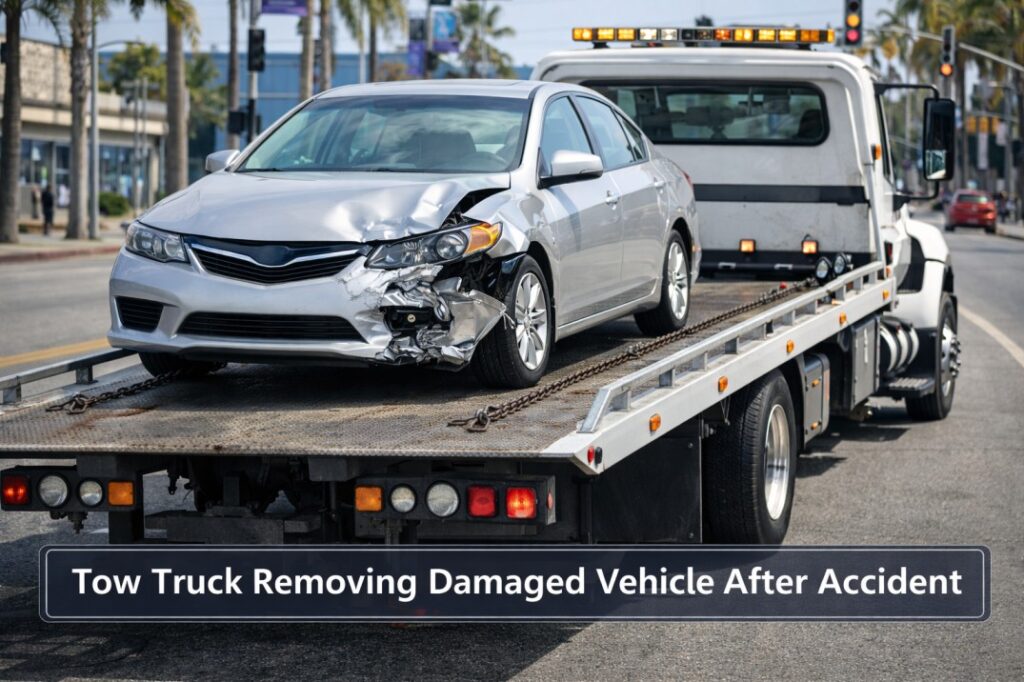
Right after an accident, your priority is safety—but financial decisions start quickly. If your car isn’t drivable, it will likely be towed from the scene, and you may need a rental car within hours.
These early decisions matter because:
- Towing companies may charge storage fees daily
- Rental costs can add up quickly
- Insurance companies will later review these expenses
This is why documenting everything from the start is essential. Keep receipts, take photos, and track communication with insurers.
Who Pays for Towing Costs?
Towing costs are usually one of the first expenses after a crash. Who pays depends mainly on fault and your insurance policy.
If the other driver is at fault:
- Their liability insurance should cover towing fees
- This includes transport to a repair shop or storage facility
If you are at fault:
- Your insurance may cover towing if you have collision or roadside coverage
- Otherwise, you may need to pay out of pocket
Towing fees can increase quickly if your vehicle stays in storage. Acting fast to move your car can prevent unnecessary charges.
Rental Car Coverage Explained
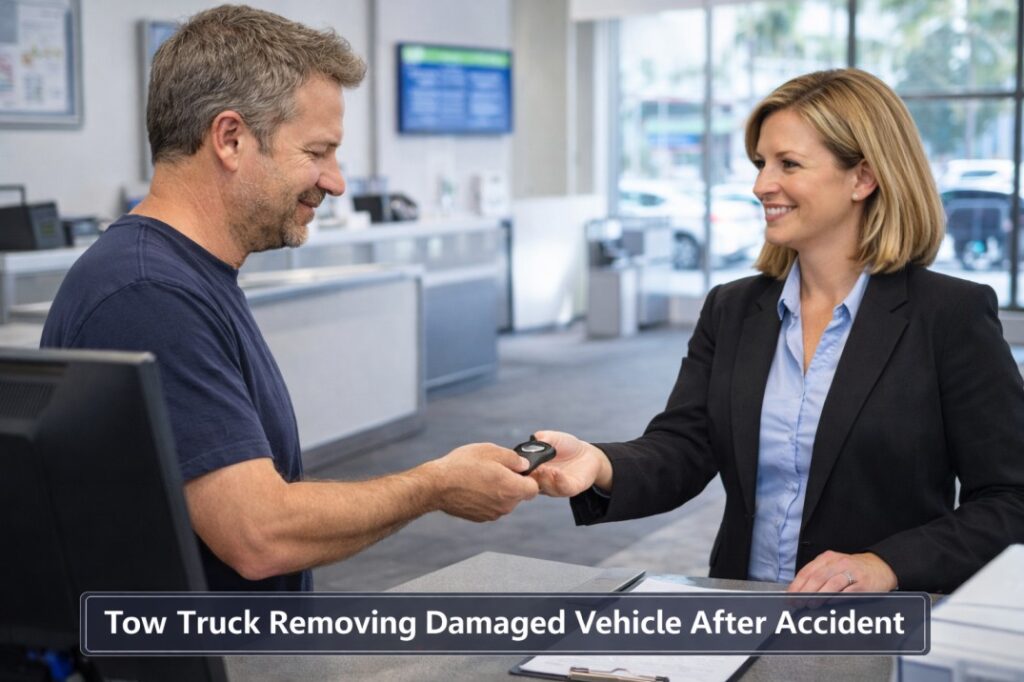
A rental car becomes essential when your vehicle is being repaired or declared a total loss. However, not all insurance policies automatically cover rental expenses.
Rental coverage usually comes from:
- Rental reimbursement coverage (optional add-on)
- The at-fault driver’s insurance
- Out-of-pocket payment (if no coverage exists)
Many people assume they are automatically entitled to a rental, but that’s not always the case. Coverage limits often apply, such as:
- Daily caps (e.g., $30–$50 per day)
- Maximum duration (e.g., 30 days)
Understanding your policy beforehand can prevent surprises.
What If the Other Driver Is at Fault?
If another driver caused the accident, their insurance is generally responsible for both towing and rental car costs.
In California, this typically includes:
- Reasonable towing expenses
- A comparable rental vehicle
- Rental duration during repairs or until a payout is issued
However, delays can happen. Insurance companies may:
- Investigate fault before approving payments
- Offer lower rental limits than expected
- Dispute certain charges
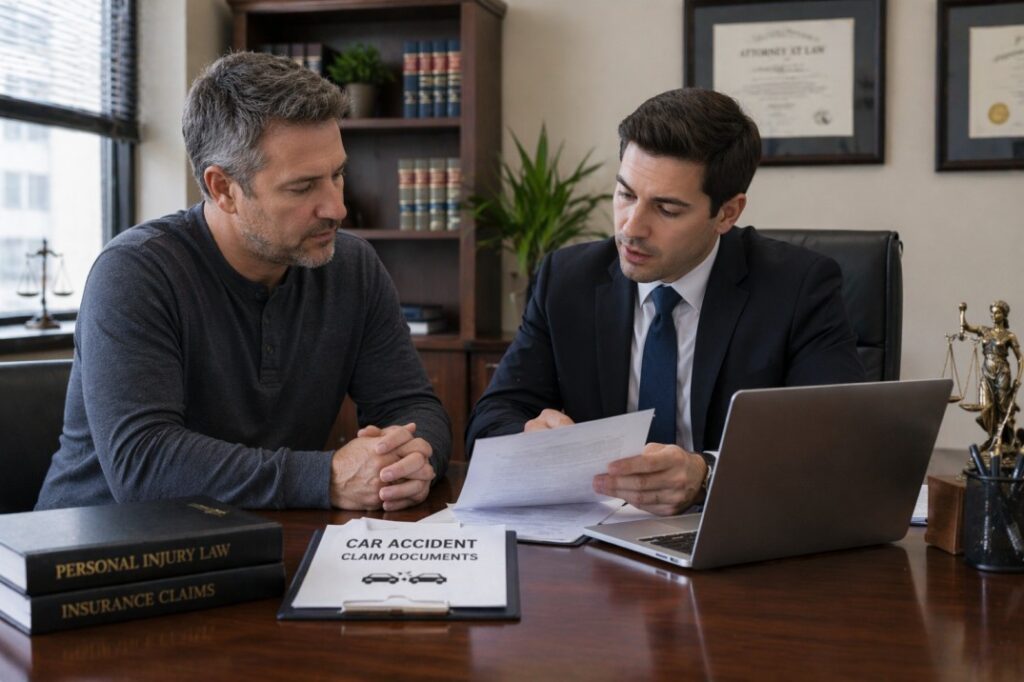
In these situations, working with a legal professional—like a car accident lawyer—can help ensure your expenses are properly covered.
What If You Are Partially or Fully at Fault?
California follows a comparative fault system, meaning responsibility can be shared.
If you are partially at fault:
- You may recover a portion of your costs
- The remaining amount may come from your own insurance
If you are fully at fault:
- Rental and towing costs depend on your coverage
- Without proper insurance, you may pay out of pocket
This is where policy details become critical. Many drivers only realize their coverage gaps after an accident.
Common Mistakes That Increase Costs
Small decisions after a crash can significantly increase your expenses. Some of the most common mistakes include:
- Leaving your car in storage too long
- Renting a vehicle above insurance limits
- Not confirming coverage before renting
- Failing to document towing and rental receipts
Another mistake is assuming reimbursement is automatic. Insurance companies often require detailed proof before approving payments.
For additional insights into accident-related expenses, you can also review this helpful breakdown from the Insurance Information Institute:
How to Recover Your Expenses Faster
Recovering your towing and rental car costs depends on how well you handle the claim process.
To improve your chances:
- Report the accident immediately
- Keep all receipts and invoices
- Communicate clearly with insurers
- Avoid unnecessary delays
If the process becomes complicated or payments are delayed, reviewing related guidance like this recent article on Firm SB’s blog can help you better understand your options.
In some cases, legal support may be necessary to ensure you’re not left covering costs that should be paid by insurance.
FAQs
Who pays for a rental car after an accident?
If another driver is at fault, their insurance typically covers the rental car. If you are at fault, coverage depends on whether you have rental reimbursement in your policy.
Are towing fees always covered by insurance?
Not always. Towing is covered if you have the right policy or if another driver is responsible. Otherwise, you may need to pay upfront.
How long will insurance pay for a rental car?
Insurance usually covers a rental for a limited time, often until repairs are complete or a settlement is issued.
What happens if the insurance company delays payment?
Delays can happen during investigations. Keeping records and following up regularly helps speed up reimbursement.
Can I choose any rental car I want?
No, insurance typically covers only a comparable vehicle within a daily cost limit. Choosing a higher-end car may result in out-of-pocket expenses.
Conclusion
Dealing with towing fees and rental car costs after an accident can feel overwhelming, especially when you’re already handling vehicle damage and insurance claims. Knowing who pays—and under what conditions—can help you avoid unnecessary financial stress.
The key is understanding your insurance coverage, documenting every expense, and acting quickly after the crash. When things become unclear or disputed, having the right guidance can make a real difference in protecting your financial recovery.
If you need help navigating accident-related expenses or insurance claims, you can always reach out through the Firm SB team.