
When your vehicle repeatedly fails despite multiple repairs, sending a properly written notice letter is often the first serious step toward asserting your rights under California Lemon Law. Many consumers overlook how important this document is, but it can play a key role in strengthening your claim and showing that you’ve formally notified the manufacturer. At Firm SB, drivers across California often ask how to draft a letter that actually gets attention and holds legal weight. The process isn’t complicated, but it does require clarity, accuracy, and the right information.
Table of Contents
- What Is a Lemon Law Notice Letter?
- When Should You Send a Notice Letter?
- Key Elements of a Strong Notice Letter
- Common Mistakes to Avoid
- How the Letter Impacts Your Lemon Law Claim
- When to Get Legal Help
- FAQs
What Is a Lemon Law Notice Letter?
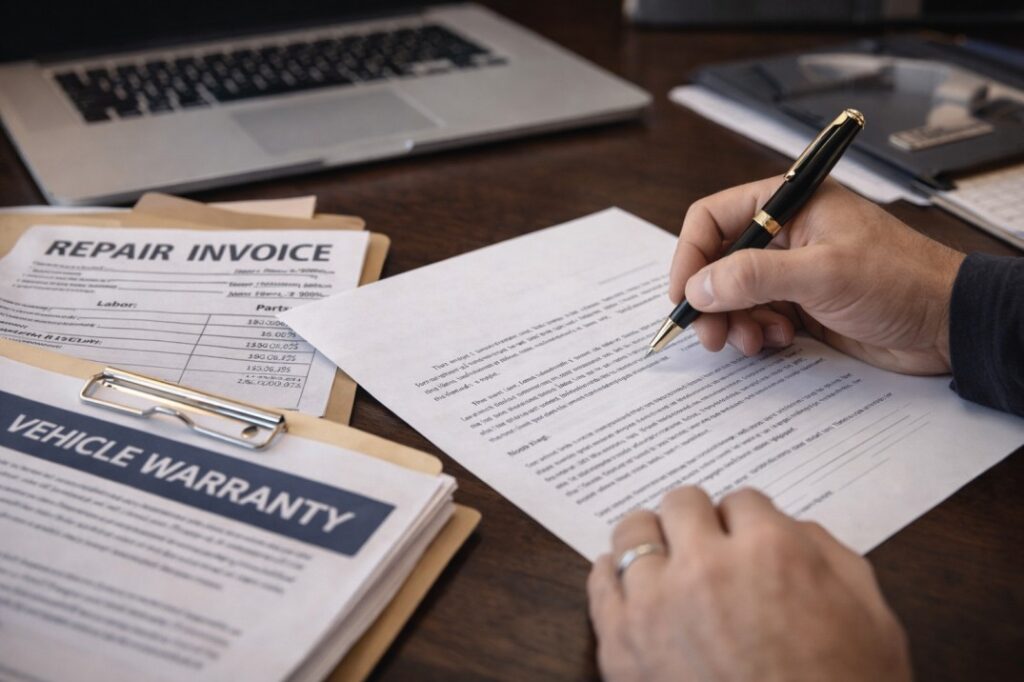
A notice letter is a written communication sent to the vehicle manufacturer informing them of ongoing defects and giving them a final opportunity to fix the issue. In California, this step helps establish that you’ve made a good-faith effort to resolve the problem before pursuing further legal action. This letter typically outlines the history of the defect, repair attempts, and your expectation for resolution. While not always legally required in every case, it can significantly strengthen your position if your claim escalates.
When Should You Send a Notice Letter?
Timing matters. You should consider sending a notice letter after multiple unsuccessful repair attempts or if your vehicle has been out of service for an extended period.
California Lemon Law generally applies when:
- The defect substantially affects the vehicle’s use, value, or safety
- The manufacturer or dealer has had a reasonable number of chances to fix the issue
Sending the letter at the right stage shows that you’ve documented the problem and given the manufacturer a fair chance to respond. This can be especially useful if your case later moves into formal dispute resolution or litigation.
Key Elements of a Strong Notice Letter
A well-prepared lemon law letter should be clear, factual, and organised. Avoid emotional language and focus on documenting the issue.
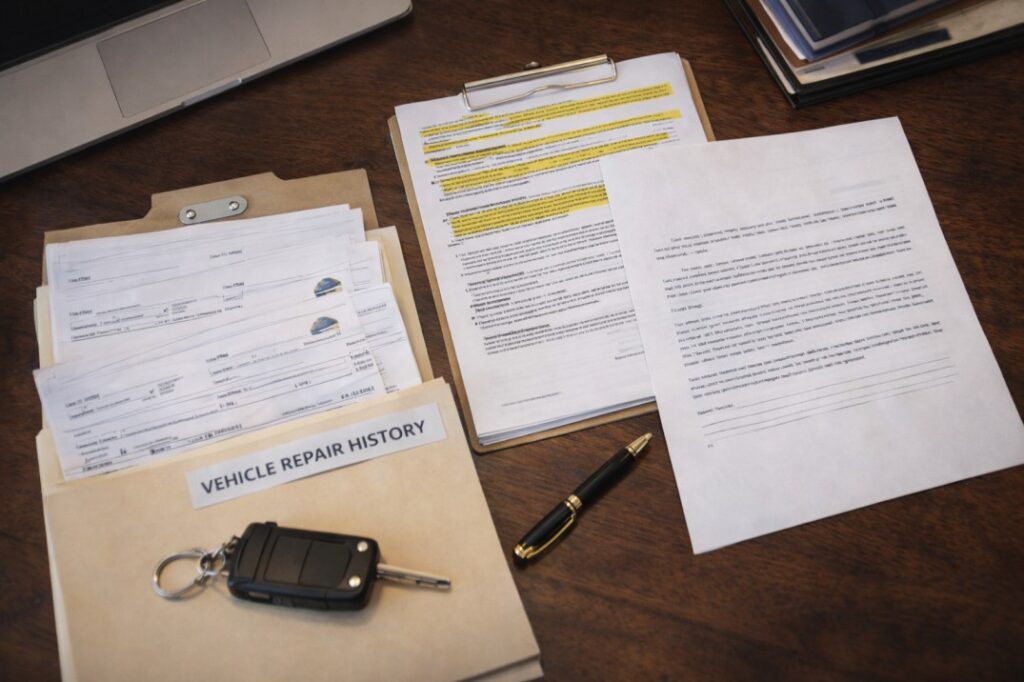
Start with your vehicle details, including make, model, year, and VIN. Then clearly describe the defect and explain how it affects your ability to use the car safely or reliably. Include a timeline of repair attempts, listing dates and outcomes.
You should also state that the issue remains unresolved and that you are formally requesting a remedy under California Lemon Law. Keep your tone professional and direct. For reference, the California Department of Consumer Affairs’ lemon law offers a helpful overview of how California lemon law procedures work, including the broader framework consumers should understand when dealing with ongoing vehicle defects. Reviewing this guidance can help put notice requirements, repair history, and next-step options into clearer context.
Common Mistakes to Avoid
Many people weaken their claims by submitting incomplete or unclear letters. One common issue is failing to include specific repair dates or documentation. Without a clear record, it becomes harder to prove that the manufacturer had enough opportunities to fix the defect. Another mistake is using vague language. Instead of saying “the car has problems”, describe exactly what is happening, when it occurs, and how it affects your driving. Some consumers also wait too long to send a notice letter. Delays can complicate your case, especially if warranty timelines or legal deadlines come into play.
How the Letter Impacts Your Lemon Law Claim
A properly written notice letter does more than just inform the manufacturer—it creates a documented record of your complaint. This record can be used later to show that you acted reasonably and followed the correct process. In many cases, manufacturers take claims more seriously once a formal written notice is received. It signals that you are aware of your rights and prepared to pursue them if necessary. If the issue isn’t resolved after the letter, it may be time to explore your legal options with a professional who understands how these claims are handled in California.
When to Get Legal Help
While you can write and send a notice letter yourself, there are situations where legal guidance can make a significant difference. If your vehicle continues to have unresolved defects or if the manufacturer does not respond appropriately, speaking with a professional may help you move forward more effectively. Working with a firm experienced in California Lemon Law cases can help ensure that your documentation, including your notice letter, supports your claim properly.
Additional Resources and Related Reading
Understanding how notice letters fit into the overall lemon law process can significantly improve how you approach your claim. Looking at the bigger picture—such as how defects are evaluated, how repair attempts are documented, and what steps typically follow—can help you make more informed decisions. Exploring recent discussions and updates on lemon law procedures can also provide useful insights into what to expect as your case progresses.
FAQs
Do I have to send a notice letter for a lemon law claim in California?
Not always, but it can strengthen your case. A written notice shows that you formally informed the manufacturer and gave them a chance to fix the issue.
What should I include in my notice letter?
Include your vehicle details, a clear description of the defect, repair history, and a statement requesting a resolution under California Lemon Law.
How do I send the notice letter?
It’s best to send it via certified mail so you have proof of delivery. This helps establish a clear record of communication.
How long should I wait after sending the letter?
Allow a reasonable time for the manufacturer to respond or attempt repairs. The timeline can vary depending on the situation.
Can a lawyer help with my notice letter?
Yes, legal guidance can ensure your letter is properly structured and supports your overall claim if the issue escalates.
Conclusion
Writing a clear and well-documented notice letter is an important step in protecting your rights under California Lemon Law. It shows that you’ve made a reasonable effort to resolve the issue and creates a record that can support your claim if the problem continues. If your vehicle defects persist despite repeated repair attempts, taking the next step may involve reviewing your options more closely through the Contact Us page.