
If you believe your vehicle might qualify as a lemon, understanding the role of documentation is critical. One of the most important pieces of evidence in any claim is your repair records. These documents help prove that your car has a recurring issue that the manufacturer or dealer has failed to fix within a reasonable number of attempts.
Working with an experienced firm like Firm SB can make a major difference in how your case is handled, especially when it comes to organizing and presenting evidence correctly. Many California drivers don’t realize that even a strong case can fall apart without proper documentation. That’s why knowing exactly what evidence you need—and how to use it—can significantly improve your chances of a successful outcome.
Table of Contents
- Why Evidence Matters in Lemon Law Claims
- Understanding the Importance of Repair Records
- Other Key Documents That Strengthen Your Case
- Common Mistakes That Can Weaken Your Claim
- How California Law Evaluates Evidence
- When to Seek Legal Help
- FAQs
Why Evidence Matters in Lemon Law Claims
A lemon law claim is not just about having a defective vehicle—it’s about proving it. The California lemon law requires you to demonstrate that your vehicle has a substantial defect that affects its use, value, or safety and that the manufacturer had a reasonable opportunity to fix it.
This is where documentation becomes essential. Without clear records, it becomes difficult to establish patterns of failure or repeated repair attempts. Courts and manufacturers rely heavily on written evidence rather than verbal claims.
Even if your vehicle has been in the shop multiple times, those visits must be properly recorded. Dates, mileage, complaints, and repair attempts all play a role in building a strong case.
Understanding the Importance of Repair Records
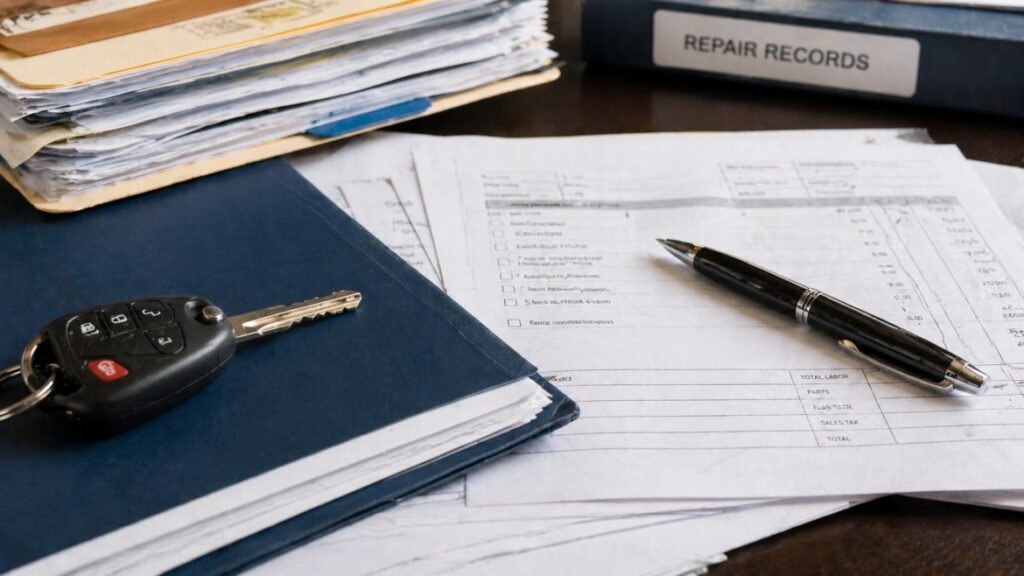
Your repair records are the backbone of your lemon law claim. These documents provide a timeline that shows how often the issue occurred and how the dealership or manufacturer responded.
Each repair order typically includes details such as:
- The date you brought the vehicle in
- The problem you reported
- The technician’s findings
- The repairs attempted
These records help establish that the defect is ongoing and unresolved. For example, if your car has been repaired three or more times for the same issue, your repair records can clearly demonstrate that pattern.
In California, repeated repair attempts or extended time out of service can qualify a vehicle under lemon law protections. According to the California Department of Consumer Affairs, proper documentation is key to proving eligibility under the law.
Without these records, it becomes much harder to show that the manufacturer failed to fix the issue within a reasonable timeframe.
Other Key Documents That Strengthen Your Case
While repair records are the most critical, they are not the only evidence you should gather. A strong claim often includes additional supporting documents that provide context and clarity.
For instance, your purchase or lease agreement confirms that the vehicle is covered under warranty. Warranty documents themselves help establish the manufacturer’s responsibility to repair defects.
Communication records can also be valuable. Emails, text messages, or written correspondence with the dealership or manufacturer may show delays, denials, or acknowledgements of the issue.
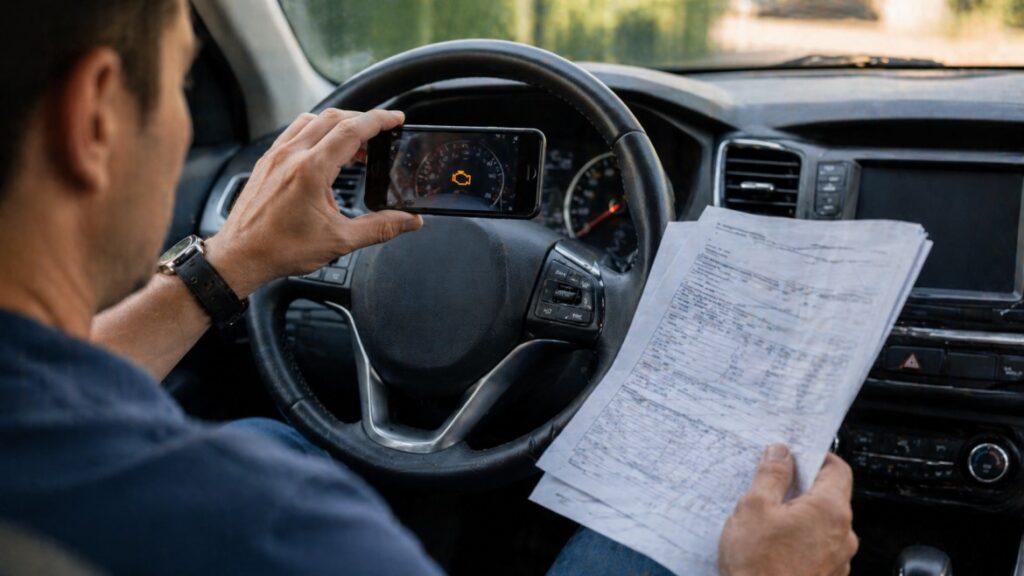
Photos and videos can sometimes support your claim, especially if the defect is visible or affects the vehicle’s operation. While these are not always required, they can strengthen your overall case when combined with official repair documentation.
Common Mistakes That Can Weaken Your Claim
Many drivers unintentionally weaken their lemon law claims by failing to document issues properly. One common mistake is not clearly describing the problem when bringing the vehicle in for repairs. If the issue is vague, the repair record may not reflect the seriousness of the defect.
Another mistake is skipping authorized dealerships. Repairs performed outside the manufacturer’s network may not count toward your claim, even if the issue persists.
Some people also delay seeking help, assuming the problem will eventually be fixed. However, waiting too long can make it harder to prove a consistent pattern of failure.
Understanding how to avoid these pitfalls is one reason many drivers consult a lemon law lawyer early in the process. Proper guidance can ensure that your documentation is complete and aligned with legal requirements.
How California Law Evaluates Evidence
California’s lemon law focuses on whether the manufacturer had a reasonable number of attempts to fix the defect. There is no strict number in every case, but patterns matter.
If your vehicle has been out of service for an extended period—often 30 days or more—your repair records can help demonstrate that the issue is significant. Similarly, repeated repairs for the same defect strengthen your position.
Courts and manufacturers will look at the consistency of your documentation. Missing records, unclear descriptions, or gaps in repair history can create challenges.
This is why keeping organized, detailed records from the beginning is essential. Even small details can make a difference when evaluating the strength of your claim.
When to Seek Legal Help
While some drivers attempt to handle claims on their own, lemon law cases can quickly become complex. Manufacturers often have legal teams reviewing claims, which means your documentation must be precise and well-presented.
An experienced attorney can assess your repair records, identify gaps, and help build a stronger case. They can also communicate with the manufacturer on your behalf, which can reduce stress and improve efficiency.
FAQs
What qualifies as repair records in a lemon law case?
Repair records include any official documentation from a dealership or authorized repair centre showing the issue, repair attempts, and outcomes. These are essential for proving repeated defects.
How many repair attempts are needed for a lemon law claim?
There is no fixed number, but typically multiple attempts for the same issue or extended time out of service may qualify under California law.
Can I file a claim without repair records?
It is very difficult. Without repair records, proving the defect and repair history becomes challenging, which can weaken your case significantly.
Do repair records need to be from an authorized dealer?
Yes, in most cases. Repairs done outside authorized dealerships may not count toward your claim under manufacturer warranty rules.
What if my repair records are incomplete?
An attorney may still help reconstruct your case using available evidence, but complete and accurate records always provide the strongest support.
Conclusion
Building a strong lemon law claim starts with understanding the importance of documentation. Your repair records serve as the foundation of your case, showing exactly how often your vehicle has failed and how those issues were handled.
By keeping detailed records, avoiding common mistakes, and understanding how California law evaluates evidence, you can significantly improve your chances of success. If you’re unsure whether your documentation is sufficient or need guidance on next steps, reach out through the contact us to get clarity on your situation without unnecessary pressure.